WordPress – Distagon 40mm f4.0
Many years ago, for three years, I carried only a Hasselblad SWC/M, UV, yellow and orange filters, three 12-on backs, and a Weston Euro-Master II for all my personal photographic work. I sold the camera in a moment of need and regret the sacrifice to this day. I could carry this camera all day, and I took some of the best images for my portfolio. The Biogon 38mm lens is equivalent to 20mm on a 35mm camera. However, you can enlarge the negatives to an amazing size, allowing you to crop them very tightly. One only has to consider how many 35x24mm areas you can fit within a 6X6 negative to see that the 38mm lens on the Super Wide Camera is a great travelling instrument. Maybe I’ll write about this another time.
I wanted a portable Hasselblad with a wider lens than the standard 80mm Planar. I could not really justify the cost of a top-grade SWC, as I already have two 500/cm bodies. The 50mm and 40mm lenses I own are just too big to carry around all day. And the present 60mm f3.5 CF is not a compact lens. And this is where the story begins! I recalled seeing a 1962-63 60/4 Distagon many years ago, so the search was on.
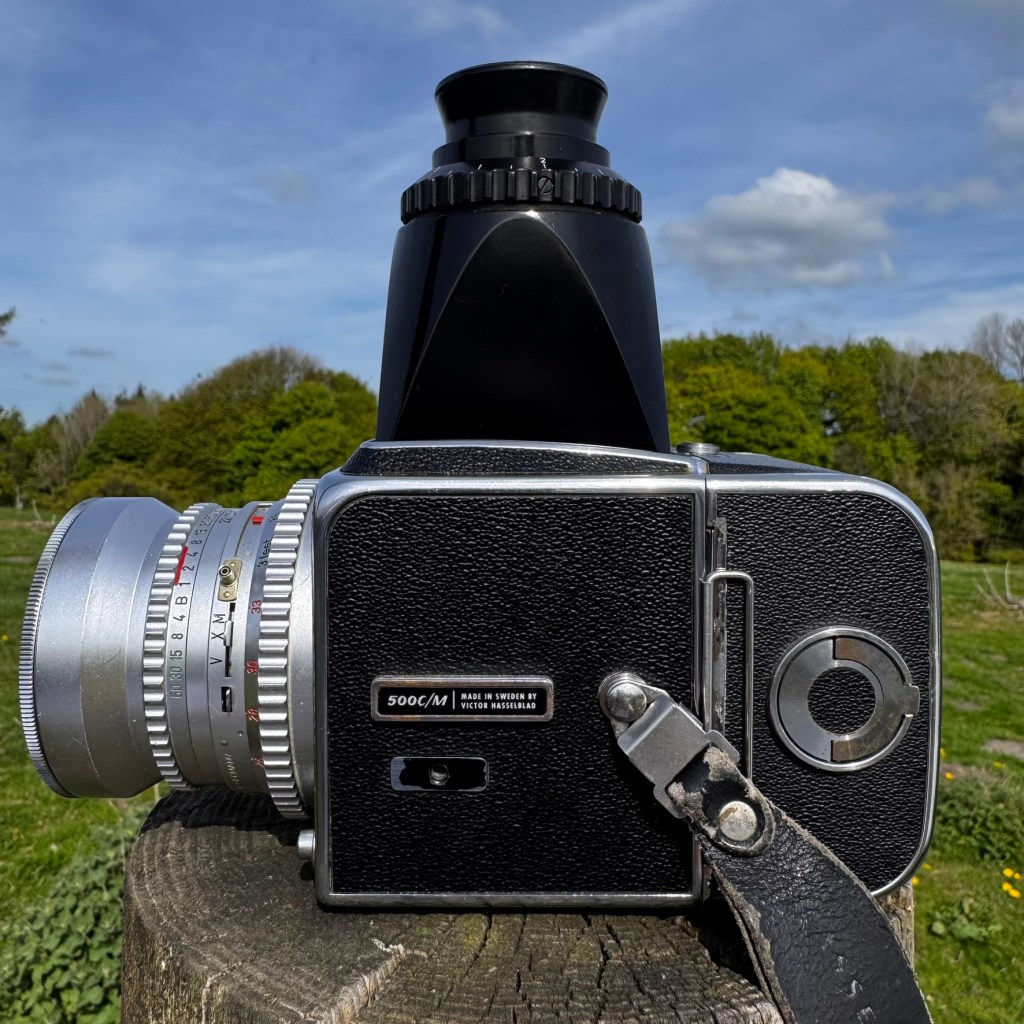
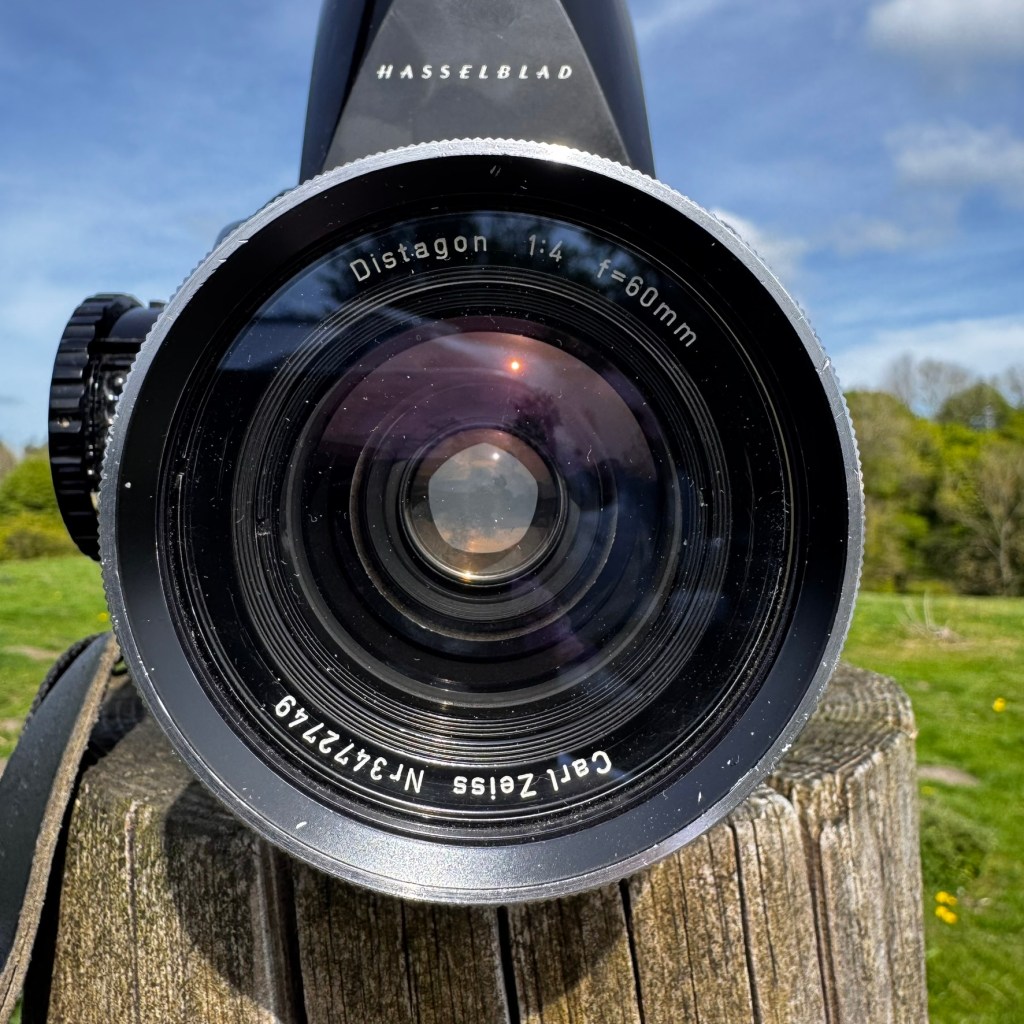
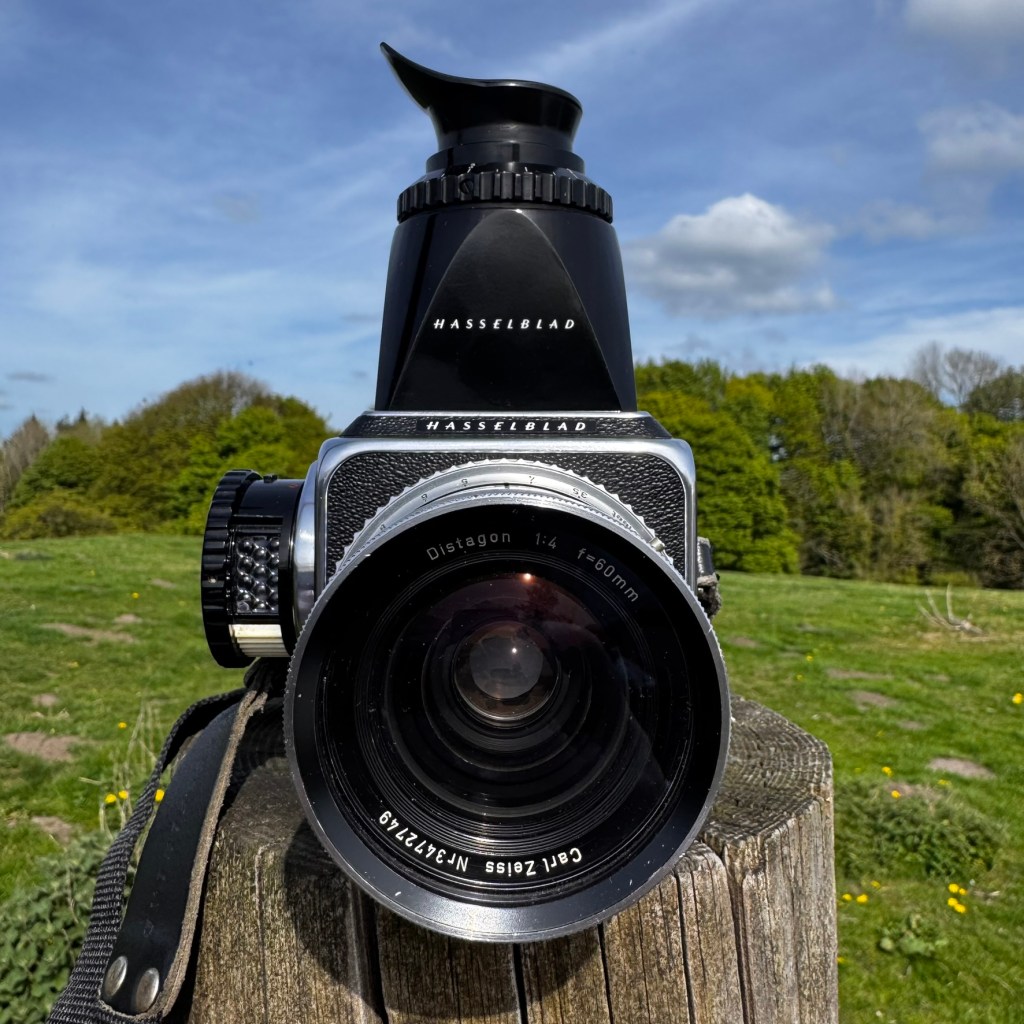
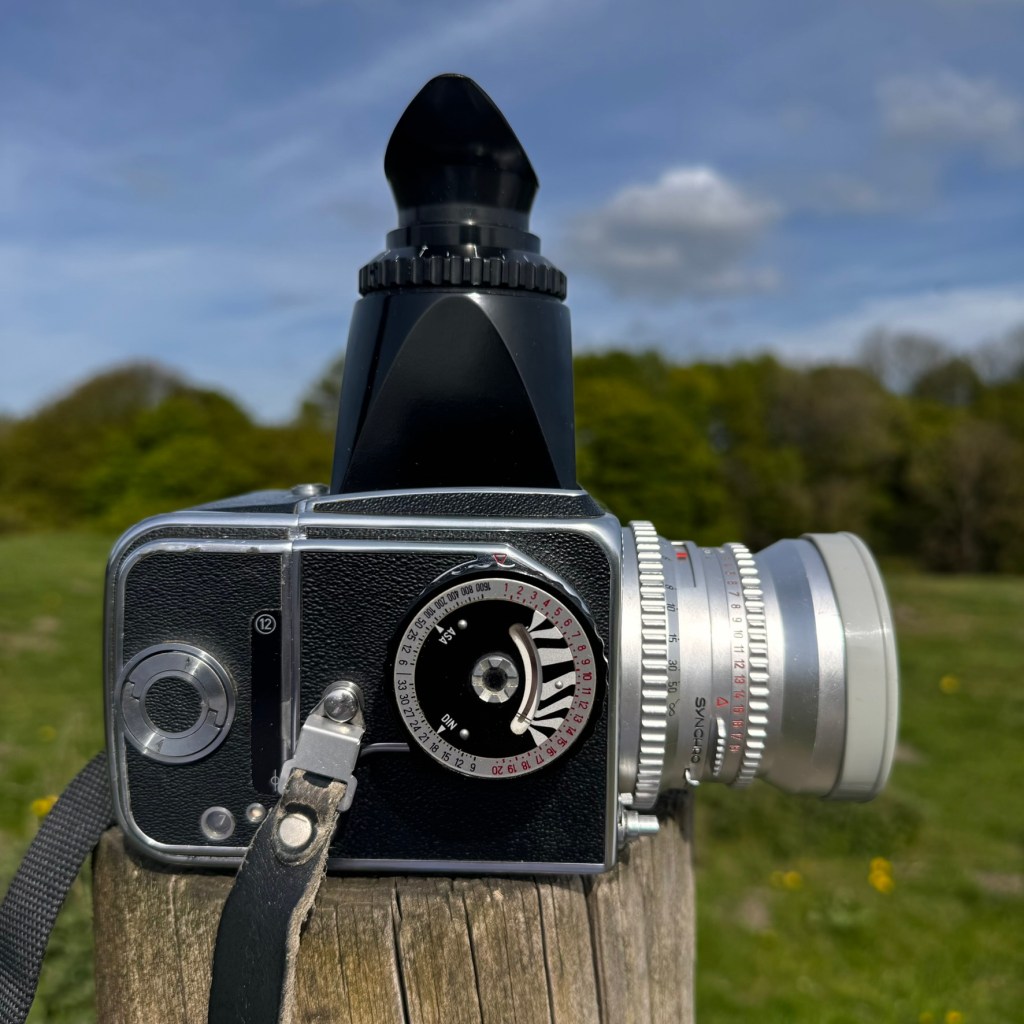
My Portable Hasselblad:
Below are pictures of my 500/cm and the 60mm f/4.0 Distagon. I also use and trust the winding meter. It has never failed me in all the years of use. I constantly look for a mint or unused version of this fine meter. It works for 95% of the images taken, and it is never far off enough to have lost an image. I also carry a Gossen Multisix light meter for any ‘difficult’ images. Not in the picture are the yellow and orange filters and the spare 12on back. The 12on back has a few advantages over the latter A12 backs, and I’ll write about this at another time. The chimney finder is my absolute favourite Hasselblad finder. This is the later version with the better diopter adjustment. If you want sharp focus on a different area of the frame, the finder makes this easy.
The Distagon Lenses History? Not Much!
There are plenty of articles about Hasselblad cameras and lenses online. However, if you search for information on the Distagon 40mm f4.0, you’ll struggle to find anything in-depth or with a decent number of pictures taken with this lens. I have no intention of writing a thousand words about the lens’s history. It will waste your time. Here’s a synopsis of the lens’s evolution, along with facts and figures:
Obviously, a manual-focus semi-wide-angle prime lens designed for V-system medium-format cameras. Made by Carl Zeiss for Hasselblad. It was manufactured from 1962 to 1963. It provides the equivalent field of view of a 33mm lens on a full-frame/35mm camera. The 60/4 is an improved version of the older 60mm f5.6, designed for the Hasselblad 1000f camera. The older f5.6 was difficult to focus in dim lighting. Maybe Hasselblad wanted a brighter focusing lens for the new 500c? Who knows? An estimated 1000-1500 lenses were manufactured. The company offers no definitive reason why it came out of the catalogue so early.
Carl Zeiss 60mm f4 Distagon C (7 elements, 6 groups)
Shutter: Synchro-Compur leaf, 1s – 1/500s + B
Minimum focus distance: 0.55m
Drop-in Series 63 filters held in place with a retaining ring. (the same as the Super Wide Camera)
Metal body polished chrome
Aperture blades: 5
Size: 78 x 64 mm
Weight: 497g
And that is as much as you need to know!
Now, my opinion of the lens.
I own two copies of the Distagon 60/4. The first I bought for a song. It was advertised as heavily scratched and with fungus. The purchase price was £150. I was not expecting much, but I sent it to Razvan in the hope that his magic would make a difference. The following images are taken with the first lens. You need to know that the scans are 300 dpi using my old Epson V500 scanner. So don’t hold your breath if you decide to zoom in on the images to see the ultimate resolving potential. Take my word for it, the negative would produce top-class prints. Incidentally, there are so-called experts in internet idiot land who write that Hasselblad discontinued the Distagon 60/4 because it resolved like ‘bottle glass.’ They could never have seen or used one. Why do people have to write such drivel?
So, these first few images determined that the 60/4 Distagon is a very sharp lens indeed. The worst aspect was that the results meant I’d have to buy a better copy. If the haze and fungus-damaged version could produce results like this, what would a better version produce? And these can be very expensive indeed. I saw one boxed and mint from a Japanese seller for $1700. And do you know? If I did not already own a superb version, an indication of how much I rate the 60/4 is that I would buy the very expensive lens and pay the duty! I really would.
Images from the first lens:
The colour images are made on 30-year-old Fujichrome and developed in Adox three-bath chemistry.
The monochrome images are recorded on Ilford FP4 Plus and developed in ID11 3+1 at 20°C for 20 minutes.
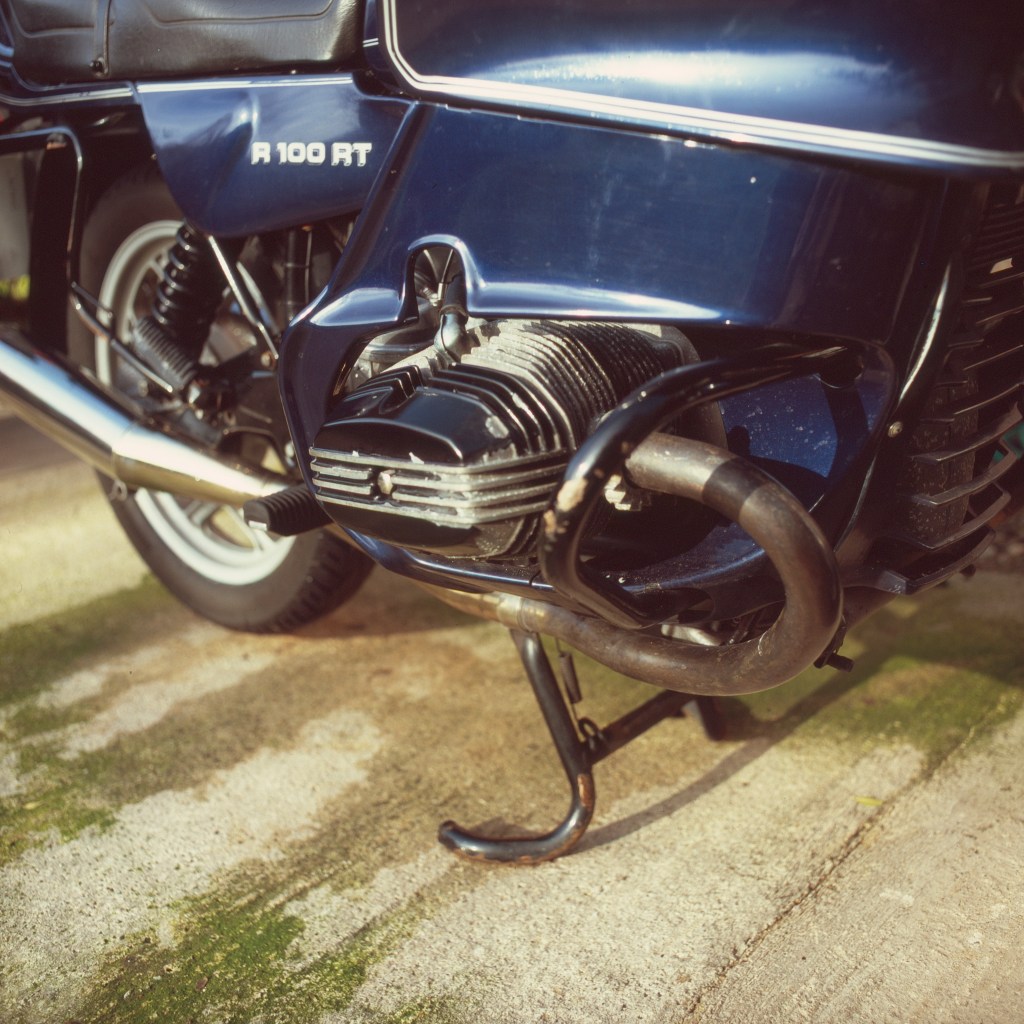
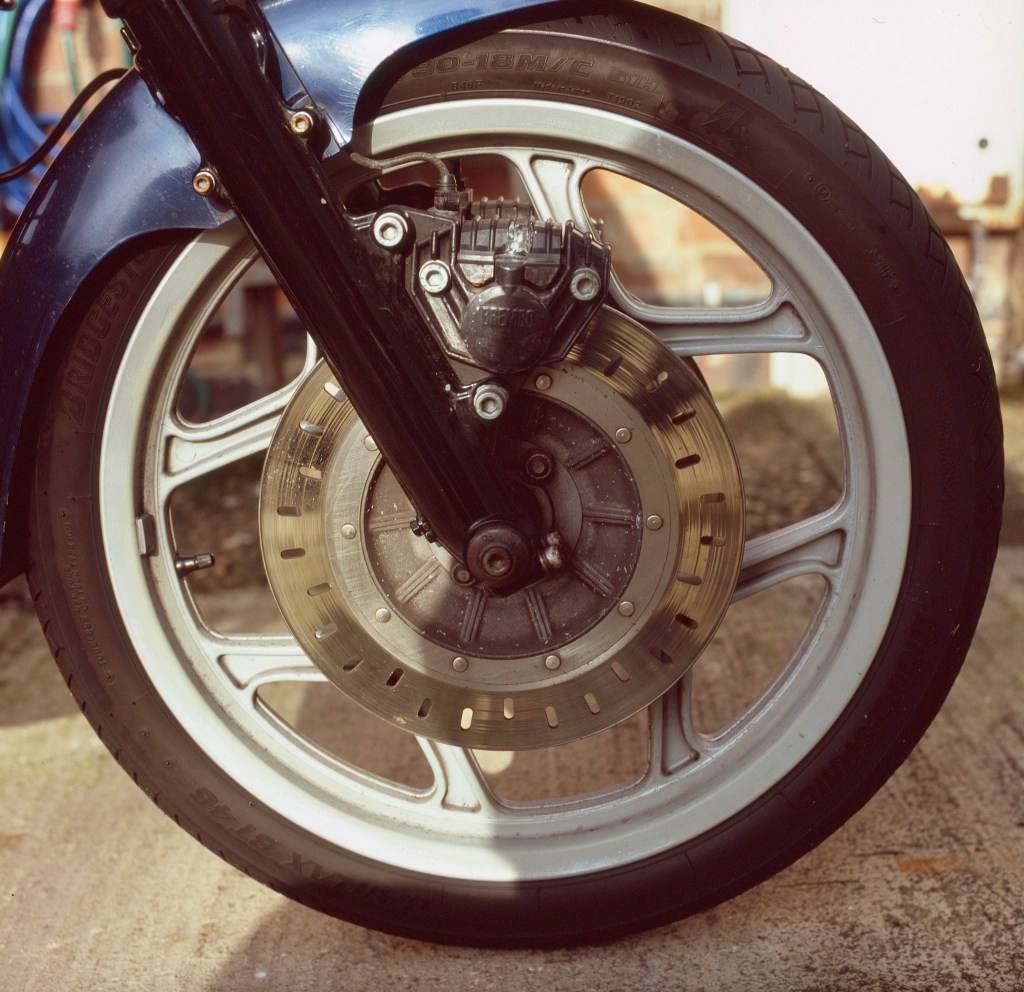
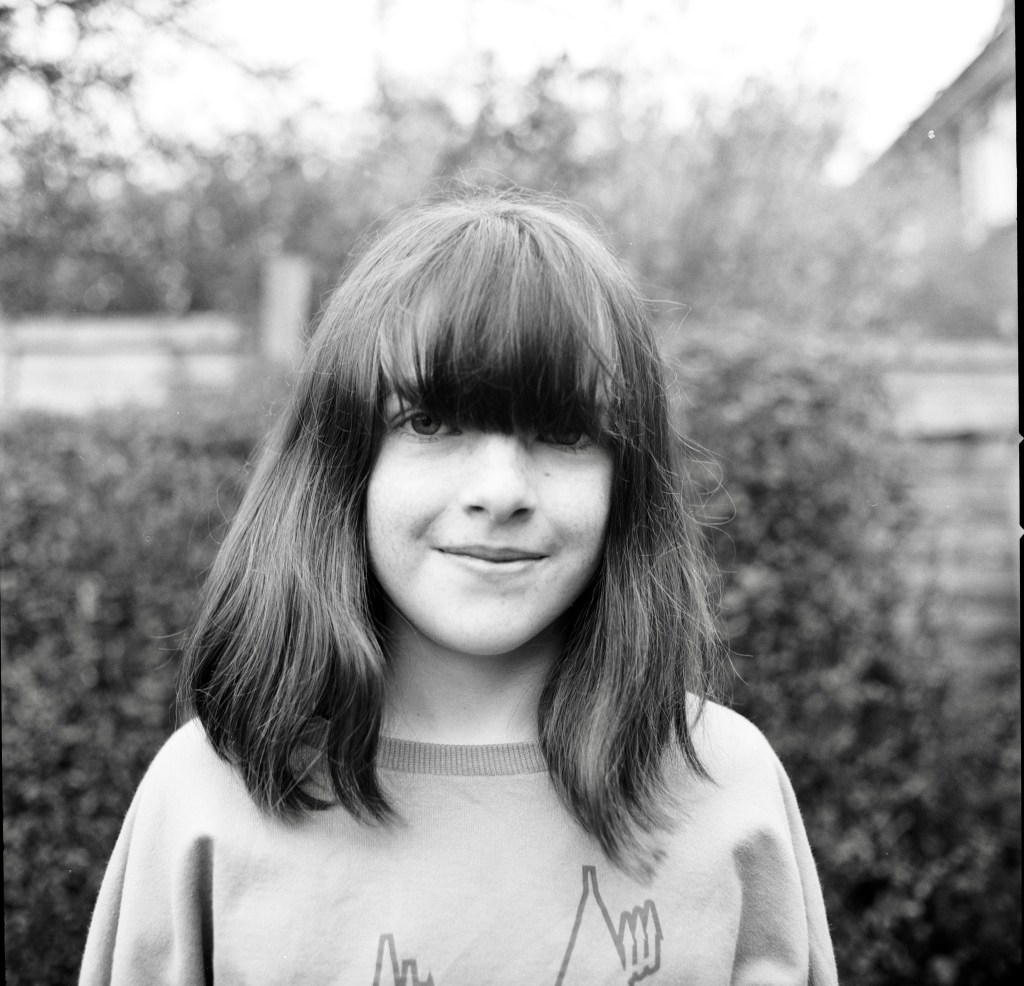
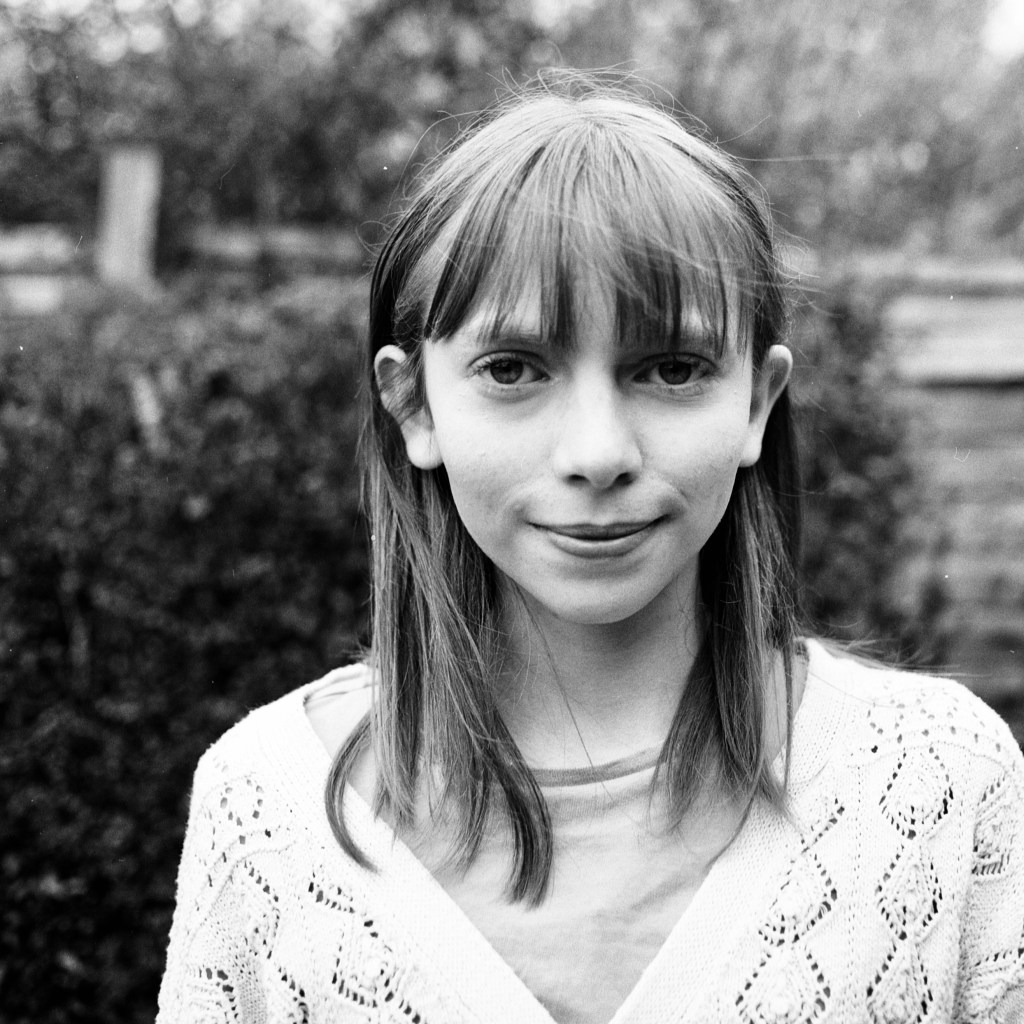
These images were the deciding factor in looking for another example
The Second Distagon 60mm f4.0
All images are recorded on Ilford FP4 Plus and developed in ID11 3+1 at 20°C for 20 minutes.
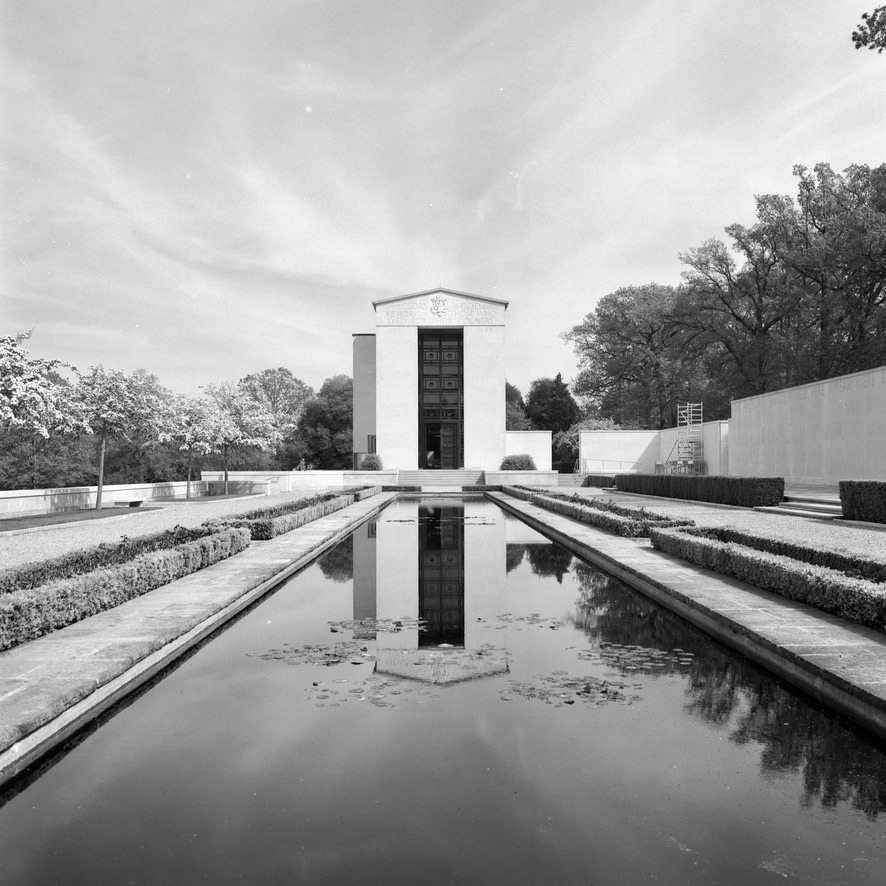
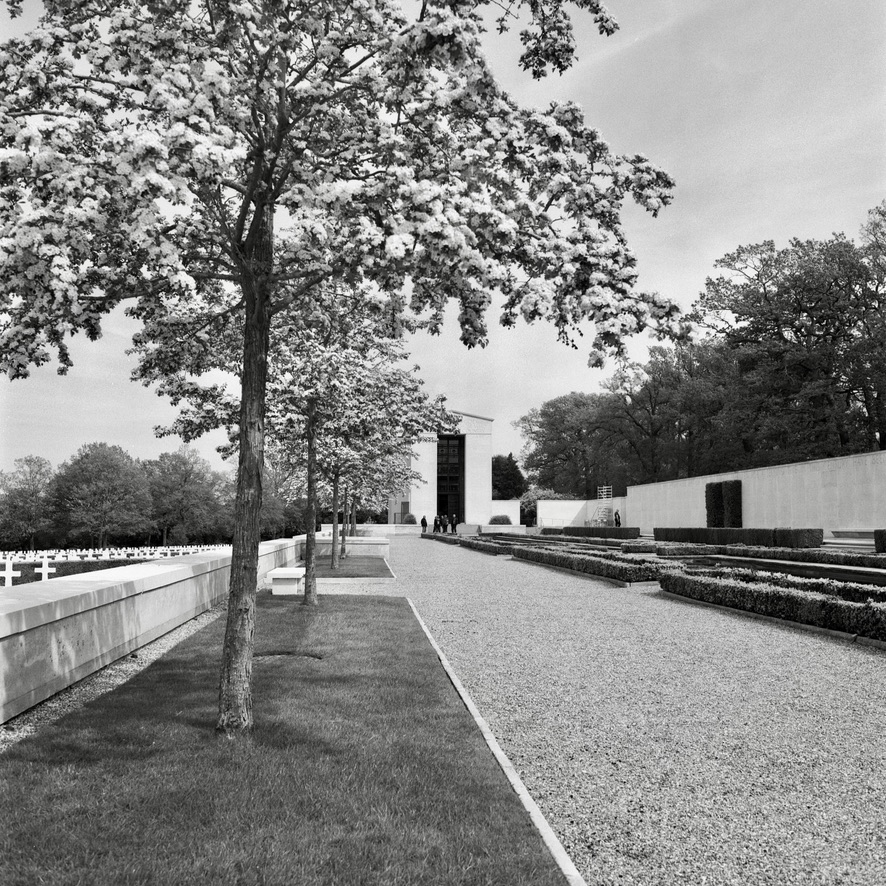
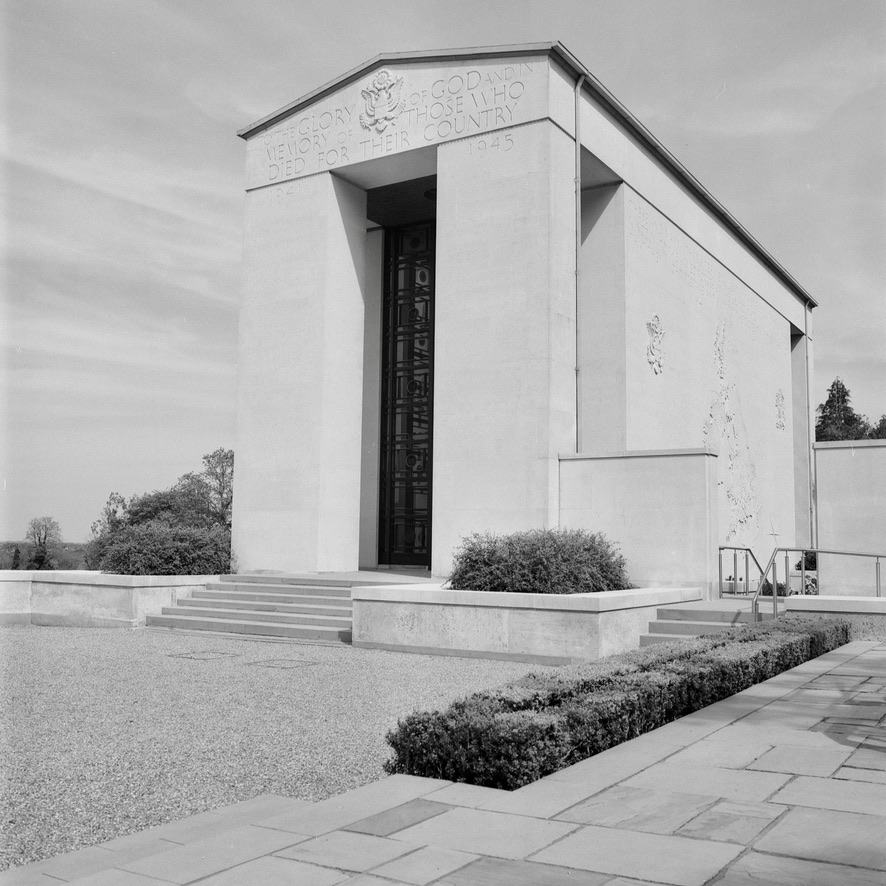
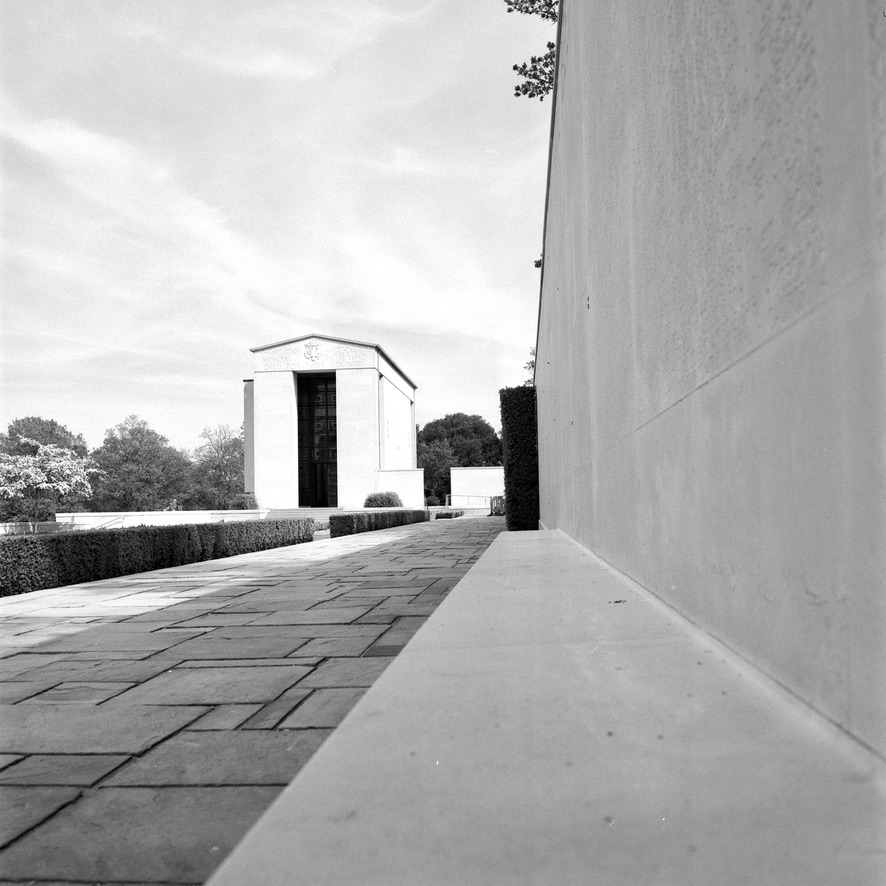
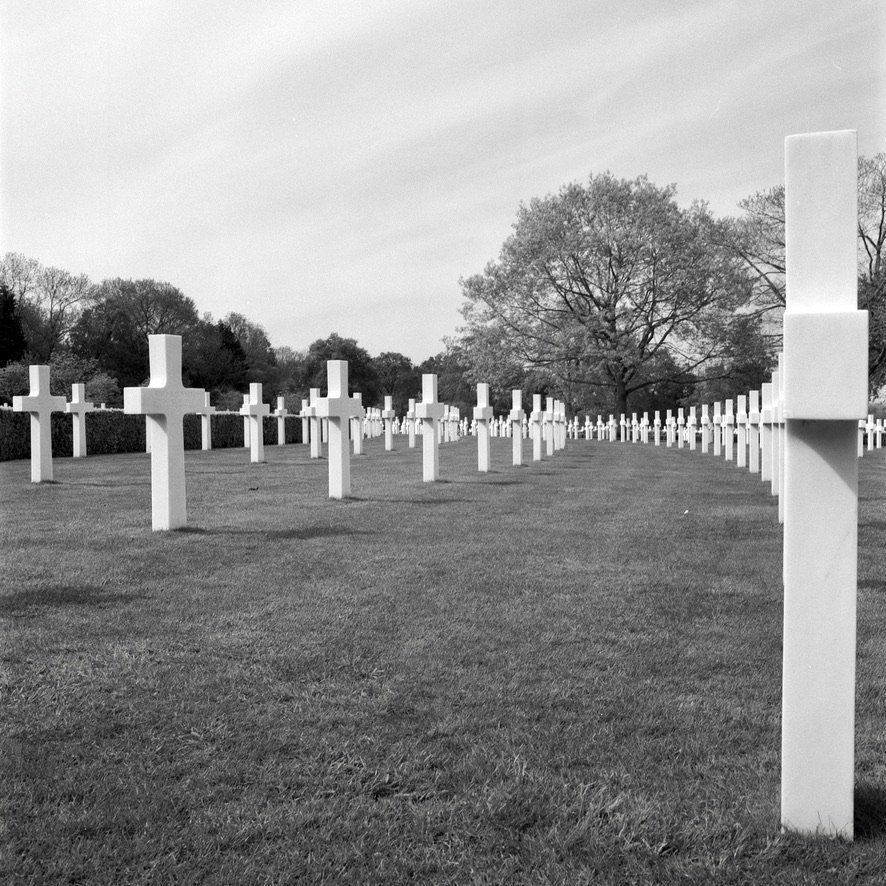
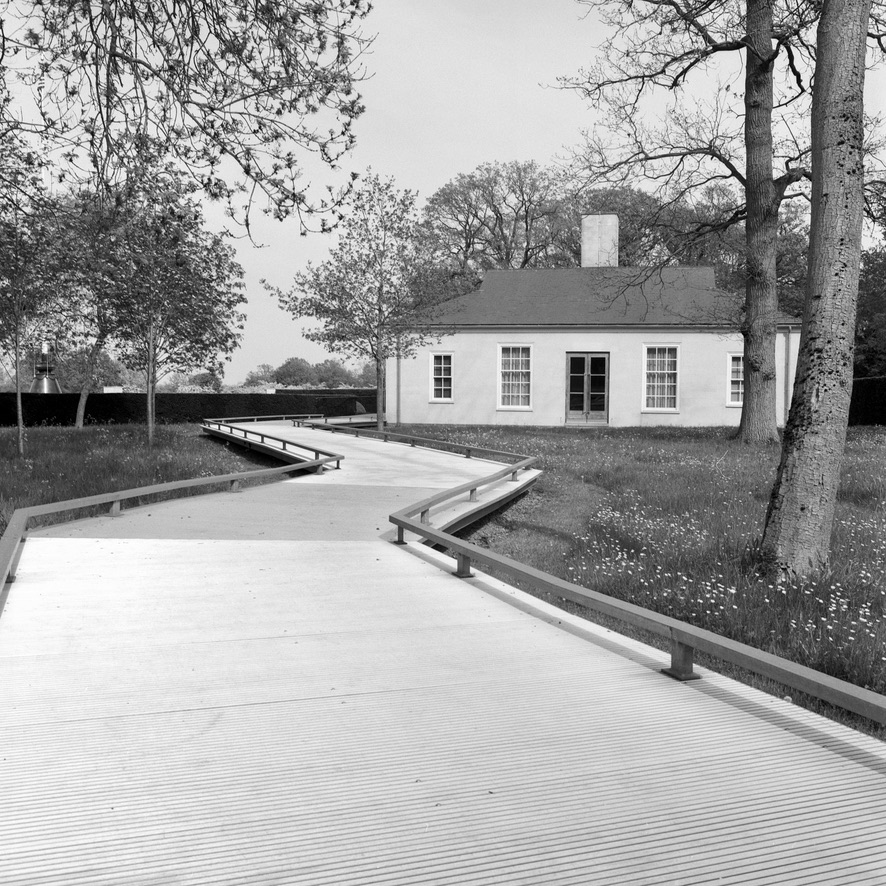
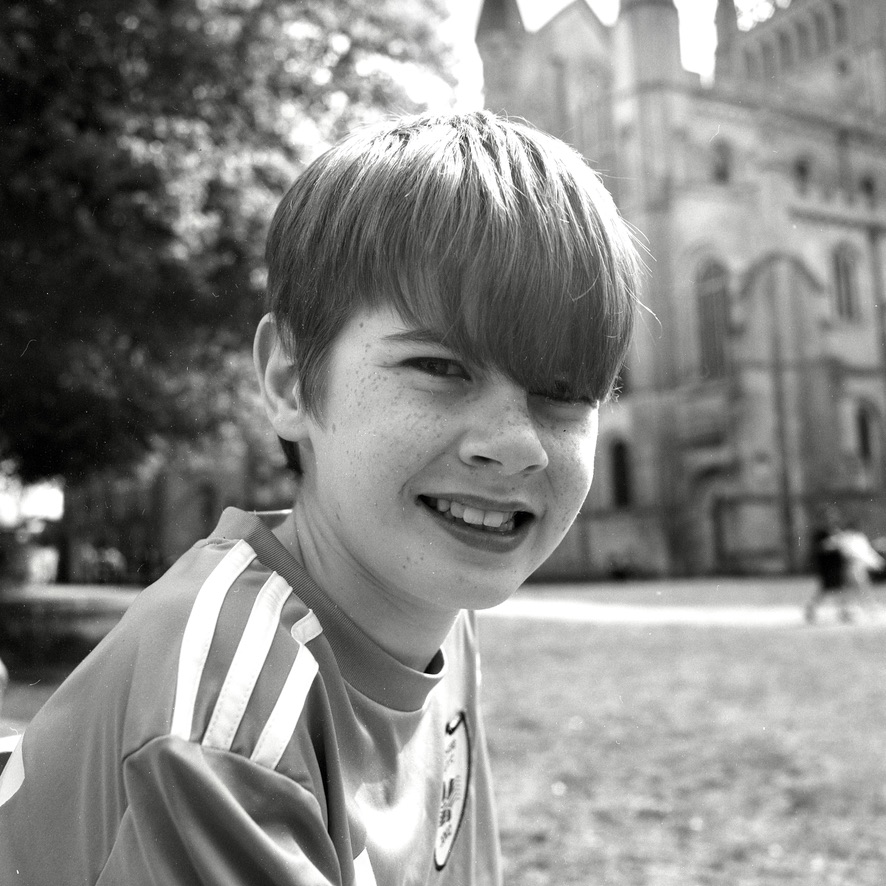
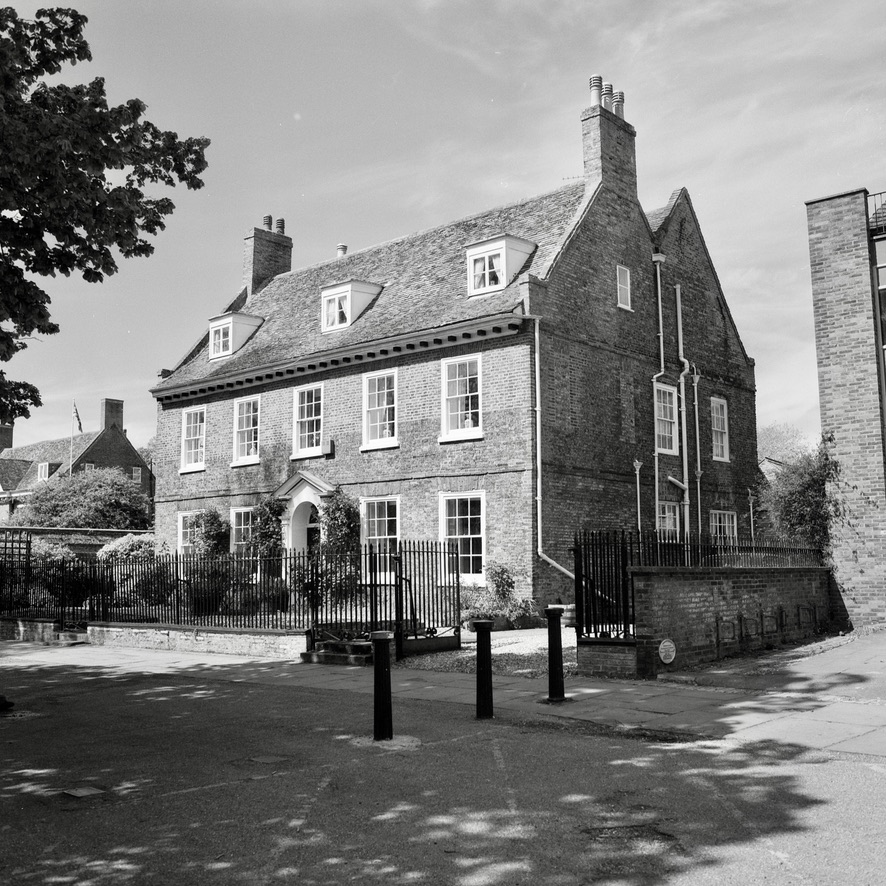
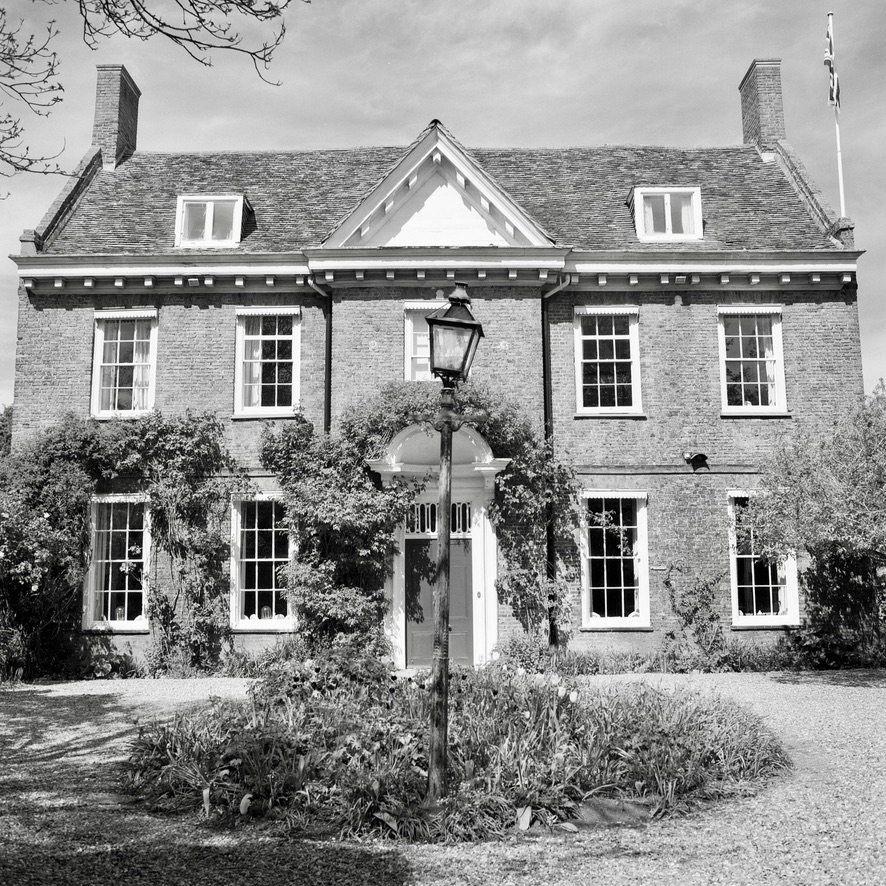
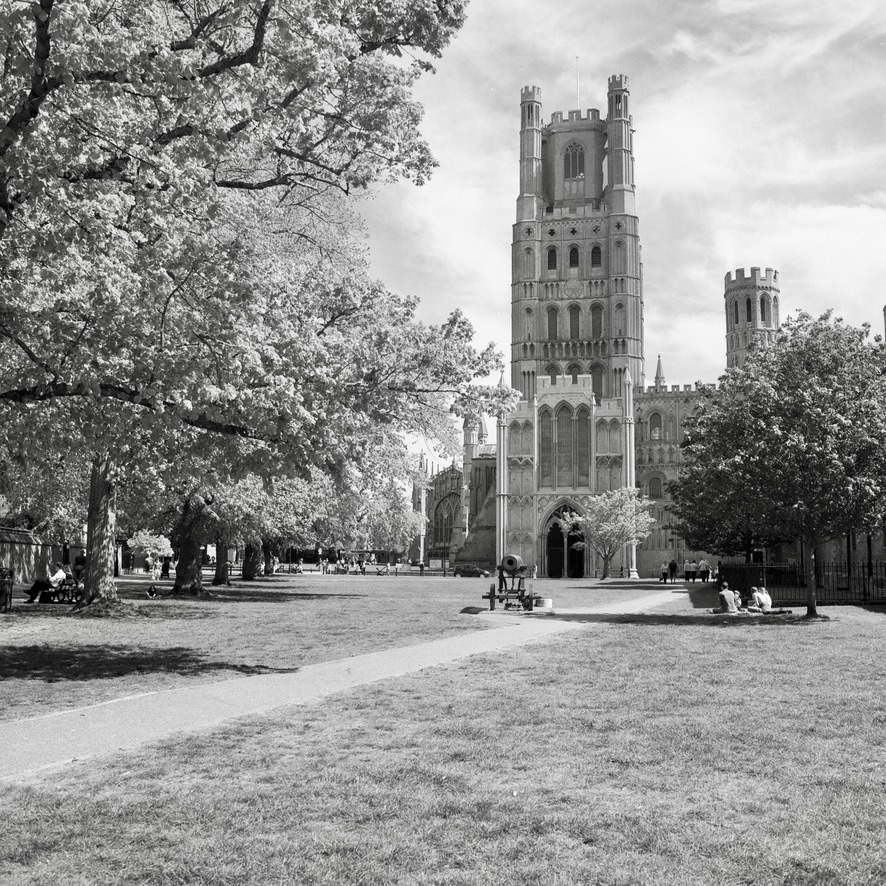
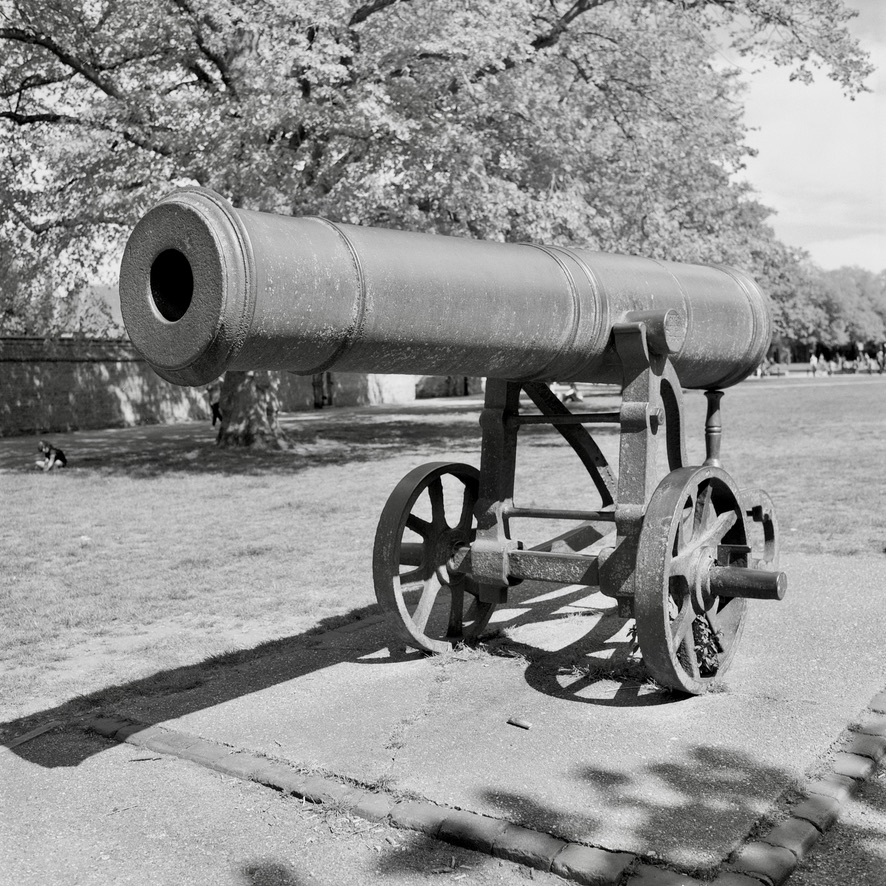
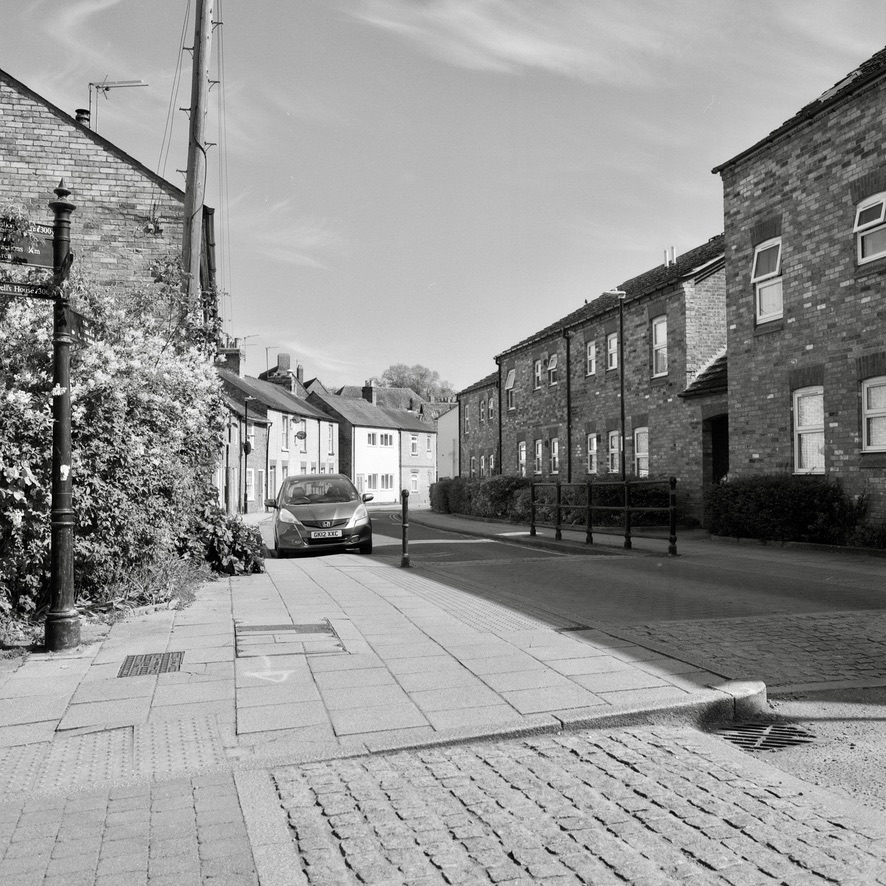
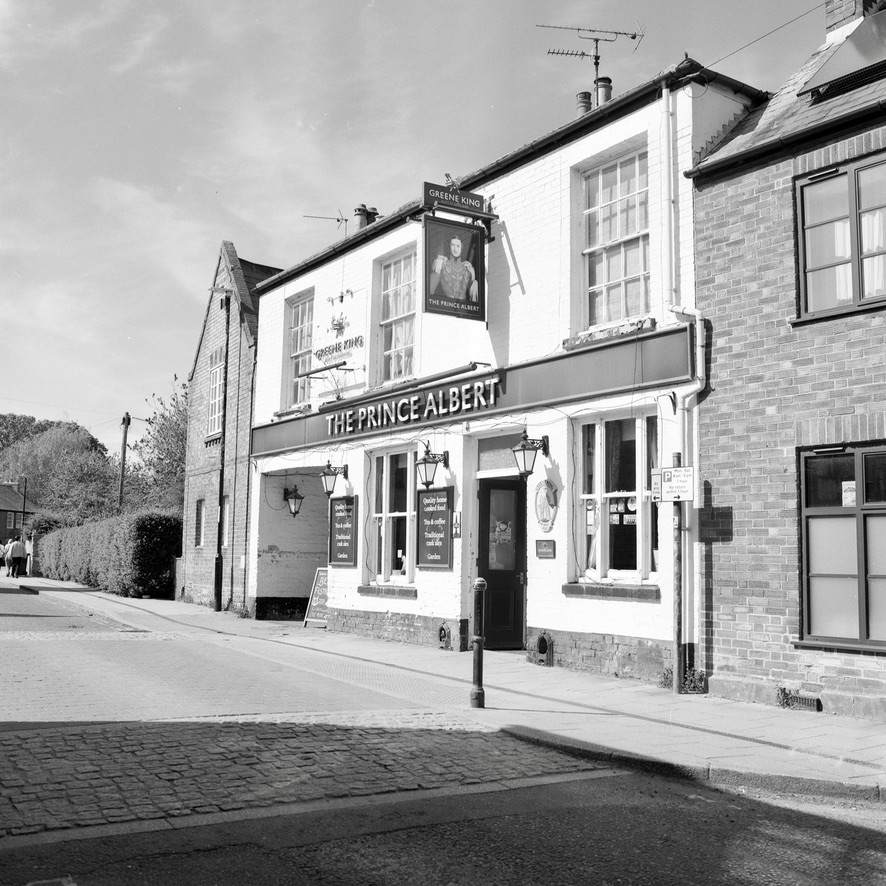
You may consider the images a little ‘flat’ or lacking in contrast. To a degree, you will be correct. This is the legacy of using a yellow filter on a bright and sunny day. In fact, the filter has done its job admirably. It has kept the sky in the images and allowed for the white buildings to stand out. In wet printing, the images would be magnificent. The buildings would be as white as the original, and the images’ real atmosphere would be captivating.
Of course, Tristam’s nose has the classic wide-angle enlargement. But you can see the 60/4’s amazing contrast and resolving ability from these simple snapshots. The first six images are taken at the amazing Cambridge American Cemetery at Maddingly. The other images were snapped while walking around the City of Ely. By the way, the beer in the Prince Albert is fantastic.
Thanks for reading

